
Safe rooftop access starts with understanding what workers need to do on the roof and the route they need to take to do it.
Maintenance teams may need to reach HVAC units, cooling towers, vents, or other equipment. Along the way, they may encounter roof edges, openings, skylights, pipes, or changes in level. The right approach depends on the building, the work, and the conditions on the roof.
Use the steps below to begin assessing your rooftop access needs.


Review the full path from the roof access point to each work area. Pay attention to:
Roof edges: Areas where a person could fall from the roof
Openings and skylights: Openings or surfaces that may present a fall hazard
Obstacles: Pipes, ducts, equipment, or changes in level that people may need to navigate
Access points: Ladders, hatches, doors, and the areas immediately around them
Explore Kee Safety’s guidance on rooftop openings and trip hazards and obstacles.

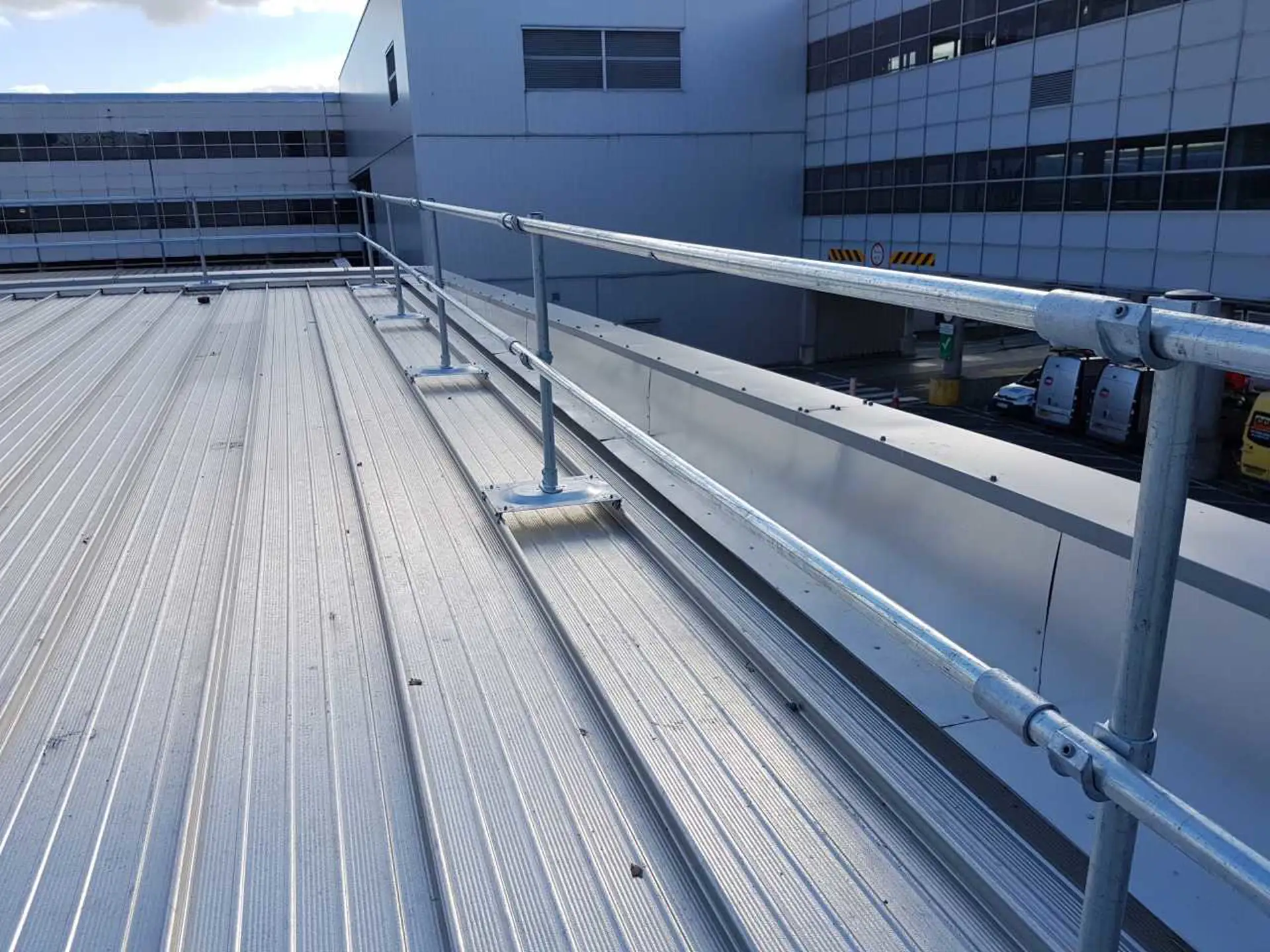
A rooftop access plan should consider both where workers need to go and the hazards they may encounter along the way. Depending on the site, possible solutions may include guardrails, protected walkways, step-overs, or work platforms.
Learn about Kee Safety’s platforms and walkways and rooftop fall protection solutions. The appropriate solution depends on the roof, the work, and the site requirements.
For example, Kee Safety designed seven different work platforms to provide access to rooftop HVAC equipment at a community college. Read the case study.

A route that works for one piece of equipment may not address other areas of the roof. Include all locations people may need to reach, and consider whether the route changes when equipment is serviced or the roof layout changes.
A broader review can help identify hazards across the roof and prioritize areas for further attention. Kee Safety offers rooftop safety assessment options.

Online information can help you identify questions to ask, but it cannot determine which solution is right for a particular roof. Site conditions, the work being performed, and applicable requirements all matter.
For a starting point, use Kee Safety’s interactive rooftop safety assessment. To discuss your facility with a specialist, contact Kee Safety.

Before planning improvements, make sure you have considered:
The people who access the roof and the work they perform
The route from the access point to each work area
Roof edges, openings, skylights, and obstacles along that route
Equipment that requires regular service
Whether a site-specific assessment or expert review is needed
Planning rooftop access for your facility? Explore Kee Safety’s rooftop safety solutions or request an assessment.
Source note: Article built from Dan Huntington’s OHS webinar and direct quotes provided.
Dan Huntington is a fall protection expert with over 10 years of hands-on experience helping companies protect workers at height. He specializes in OSHA compliance, risk assessments, and developing rooftop safety programs. Dan doesn’t just teach theory he’s regularly on rooftops identifying hazards and delivering practical, effective solutions. Formally trained in OSHA standards and risk assessment, Dan has presented at national safety events including the ASSP Expo and the Western States Roofing Expo. He leads Kee Safety’s rooftop safety experts across North America, helping organizations assess hazards and implement life-saving solutions.
Website: https://www.keesafety.com/
Email: info@keesafety.com

Please fill in your details below and we’ll be in touch shortly.